
Blog
A ROOM OF THEIR OWN: THOUGHTFUL DESIGN FOR CHILDREN
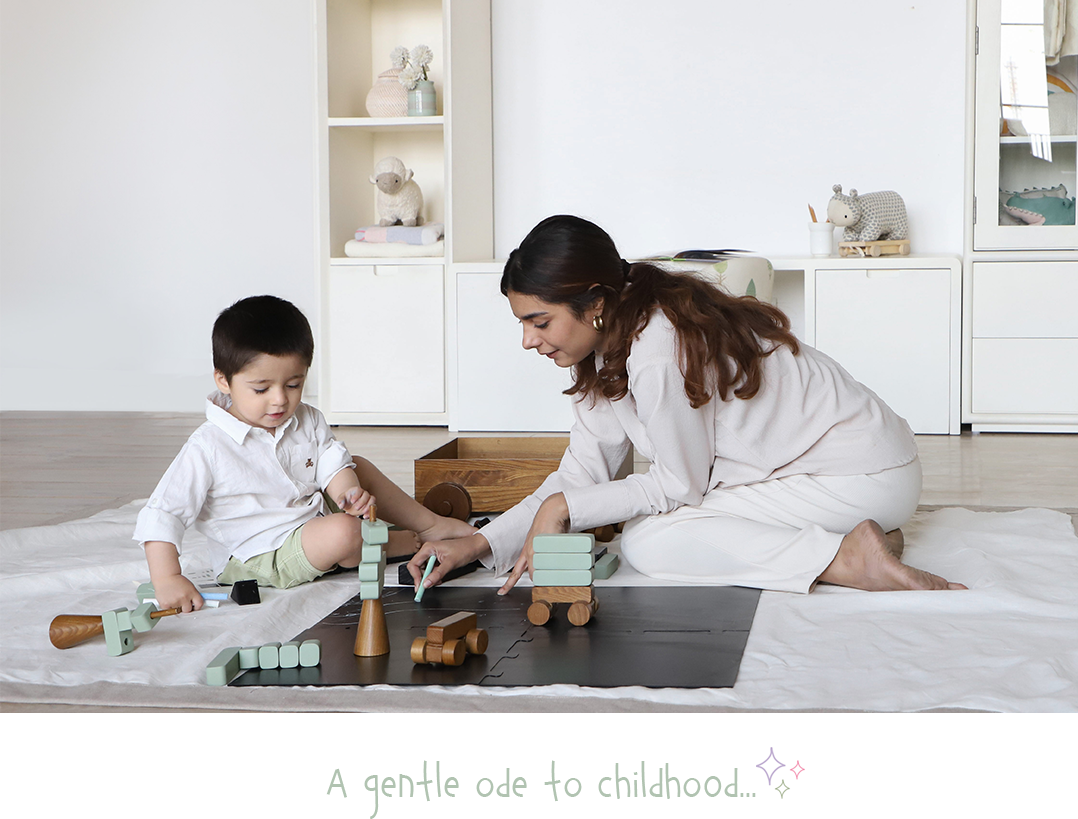
A child’s room isn’t just a place to play.
It’s where they begin to understand comfort, belonging, and self.
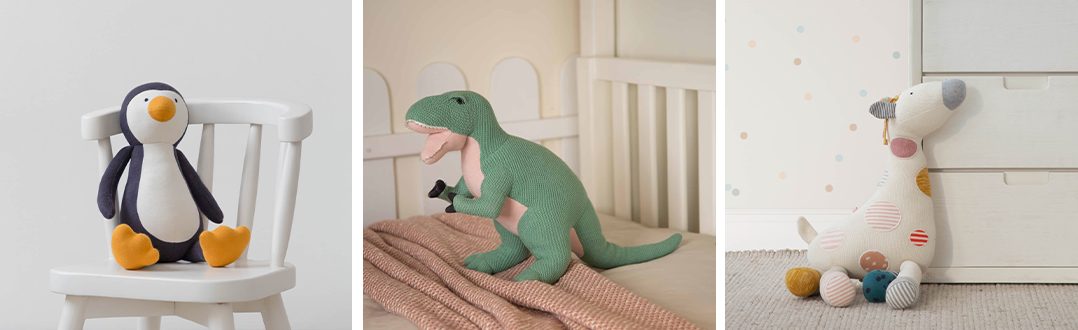
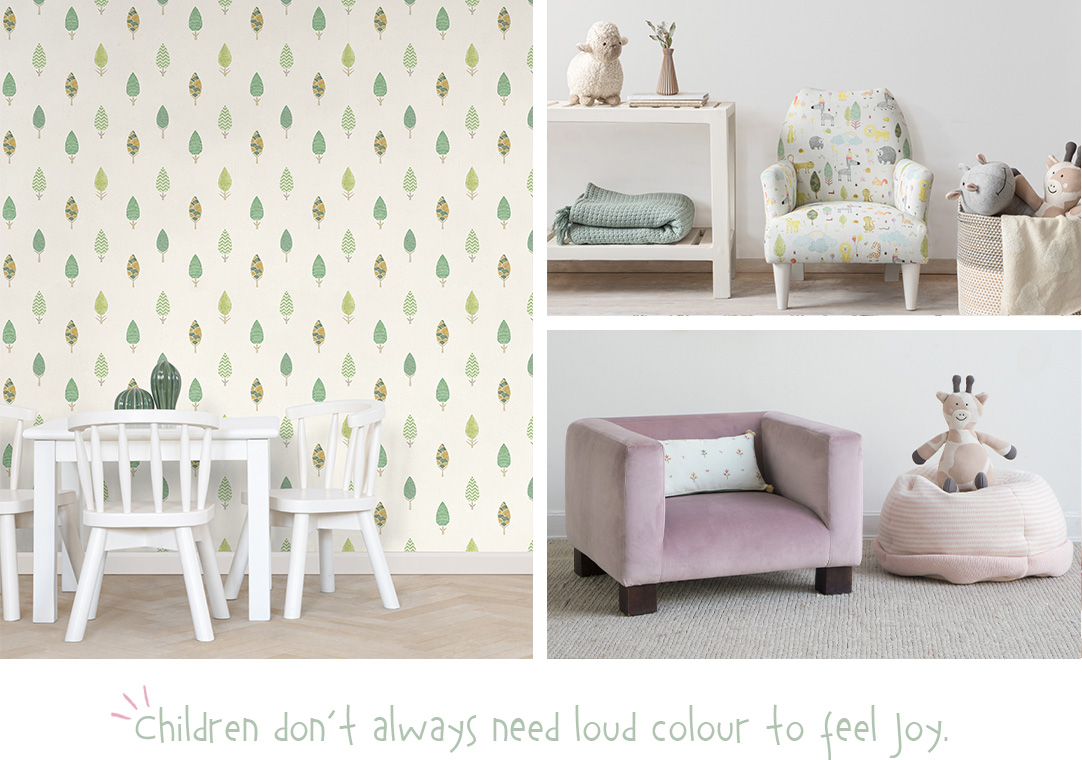
There’s a gentle shift in how we are beginning to design for children. Away from loud prints, themed interiors, and furniture that feels fleeting, and toward something far more enduring. Spaces that don’t overwhelm, but nurture. Spaces that feel as considered as the rest of the home.
DESIGNING WITH INTENTION, NOT EXCESS
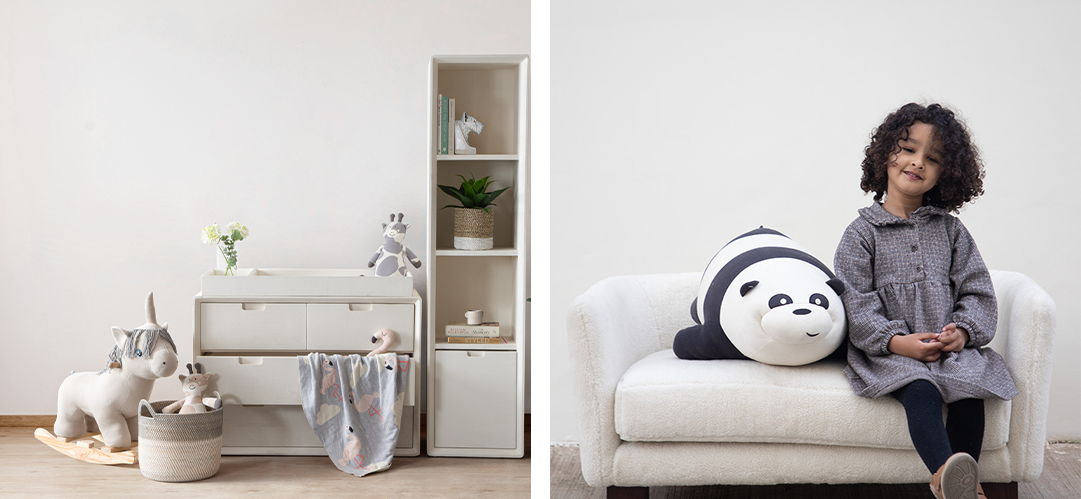
Designing with Intention, Not Excess
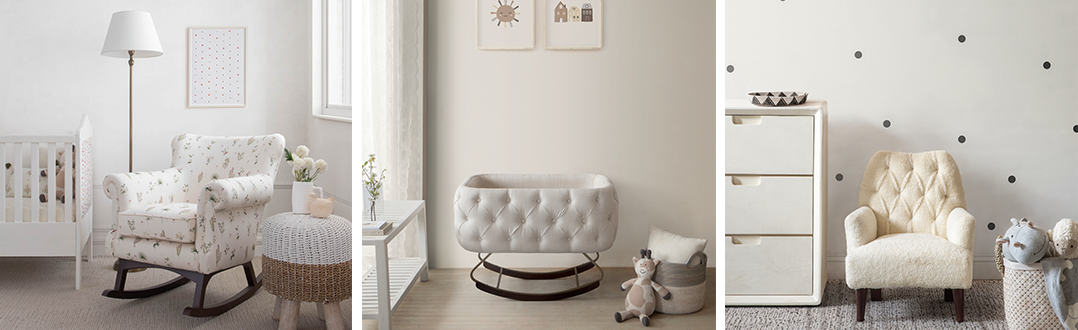
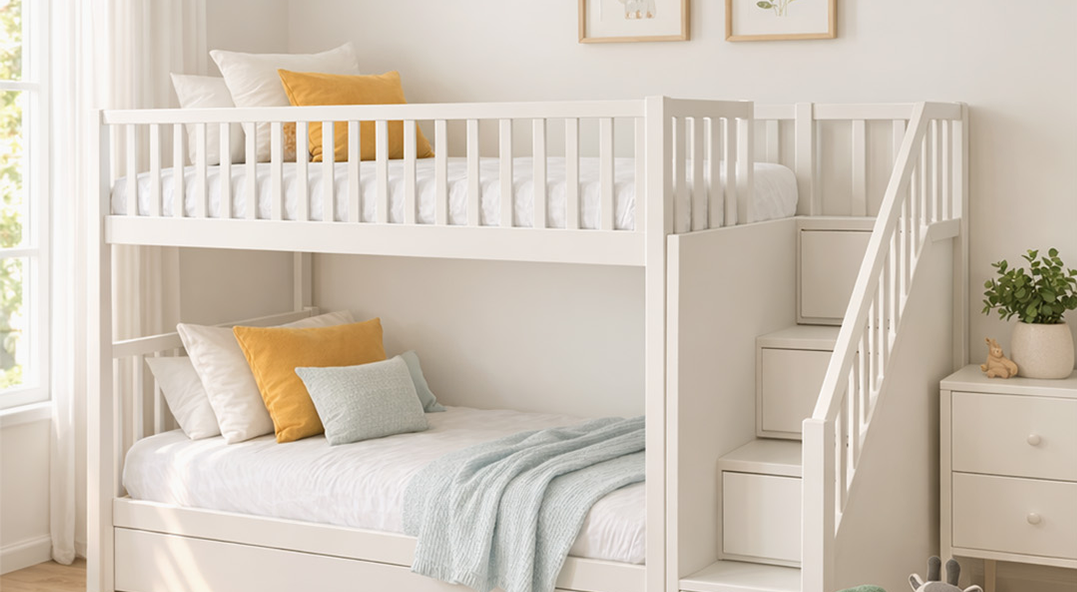
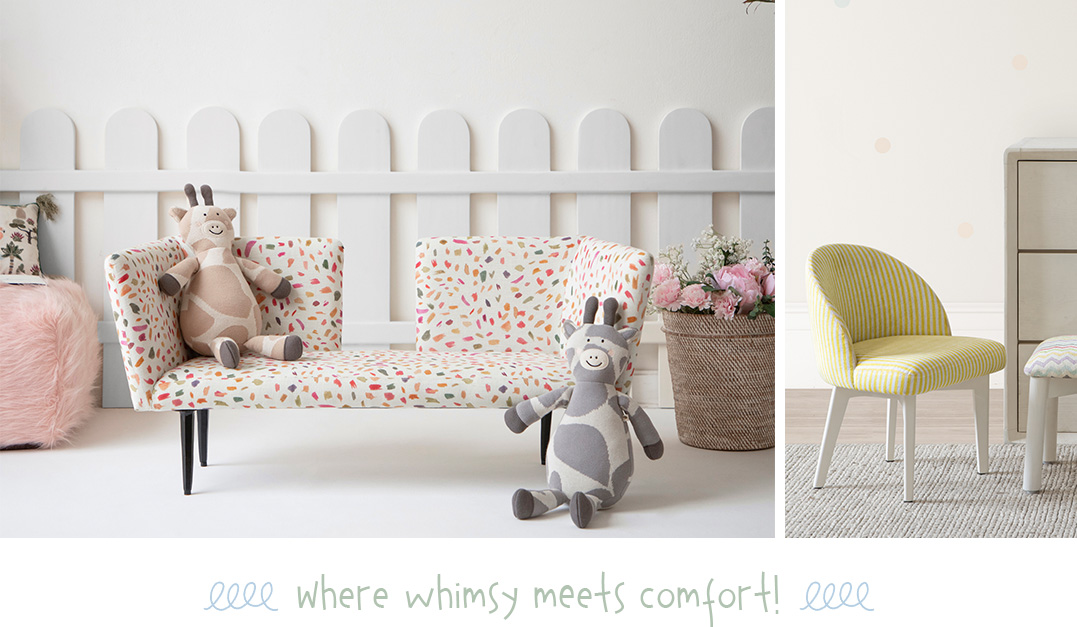
For a long time, children’s rooms have been treated as separate from the design language of a home; often louder, brighter, and more temporary. But thoughtful design invites a different approach. Instead of filling the space with novelty, the focus shifts to fewer, well-made pieces. A bed that anchors the room. A wardrobe that feels substantial. A reading chair placed by a window, inviting quiet moments. It’s not about designing differently for children, but about designing well and letting that quality extend into their spaces.
THE LANGUAGE OF MATERIALS
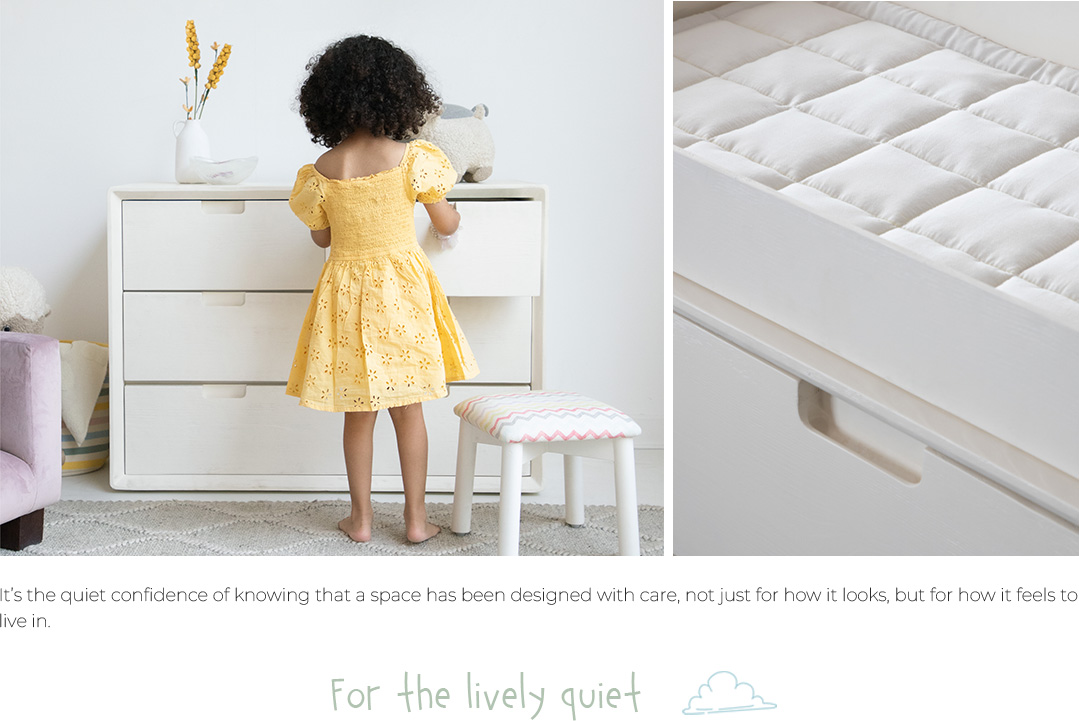
This is where craftsmanship matters. Not just in how a piece looks, but in how it feels, lasts, and lives within a space. When designing for children, material choices carry both emotional and functional weight.
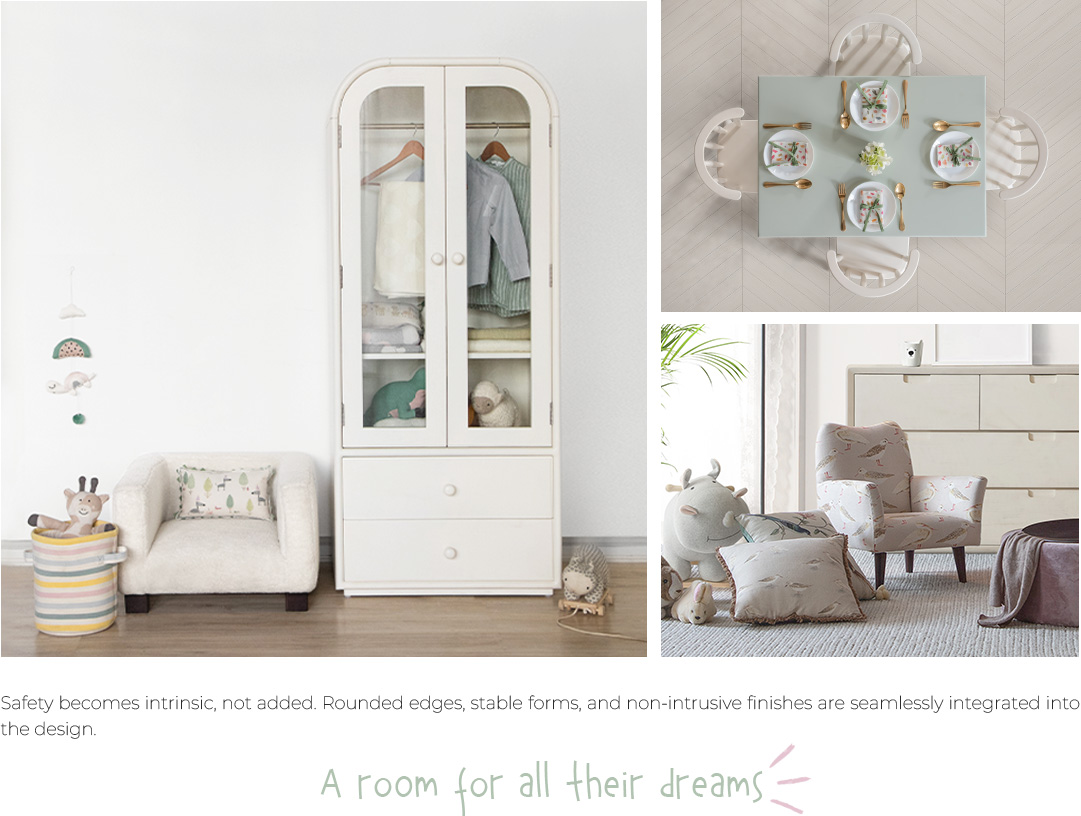
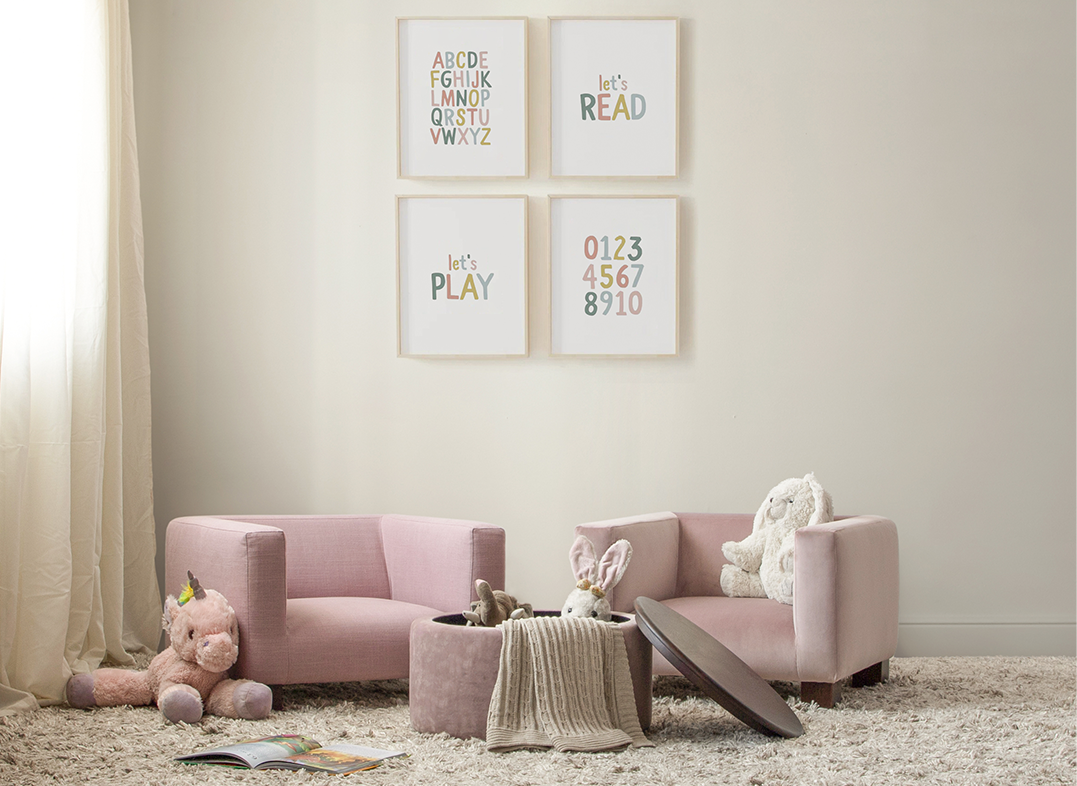
In thoughtfully designed children’s rooms, furniture doesn’t feel temporary or overly themed. It feels rooted. The result is furniture that doesn’t feel like a compromise. It feels intentional.
Beyond design and materiality, a child’s room is ultimately a space of experience. It’s where stories are read before bed. Where afternoons pass slowly with books and quiet play. Where small rituals begin to take shape.
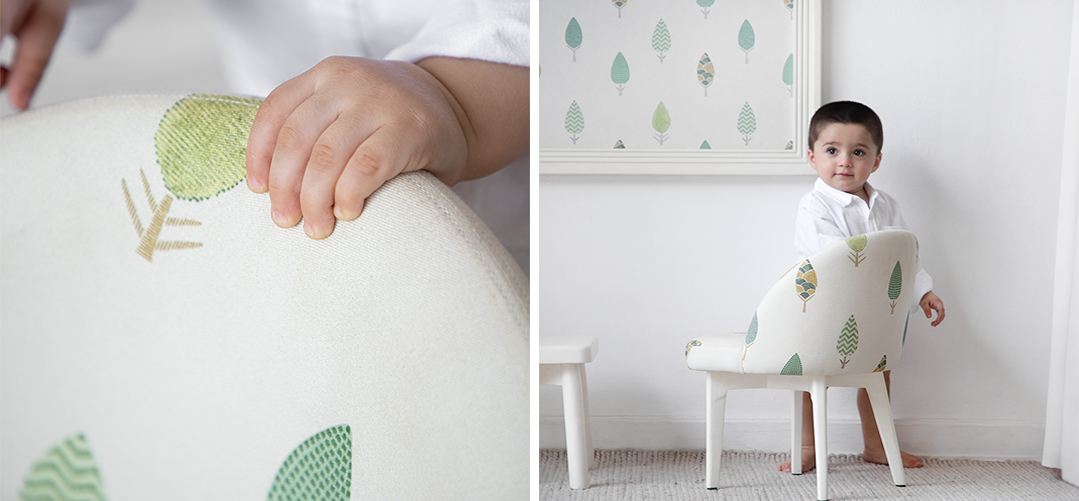
A well-designed room doesn’t try to define these moments—it simply makes space for them.
A comfortable chair in the corner.
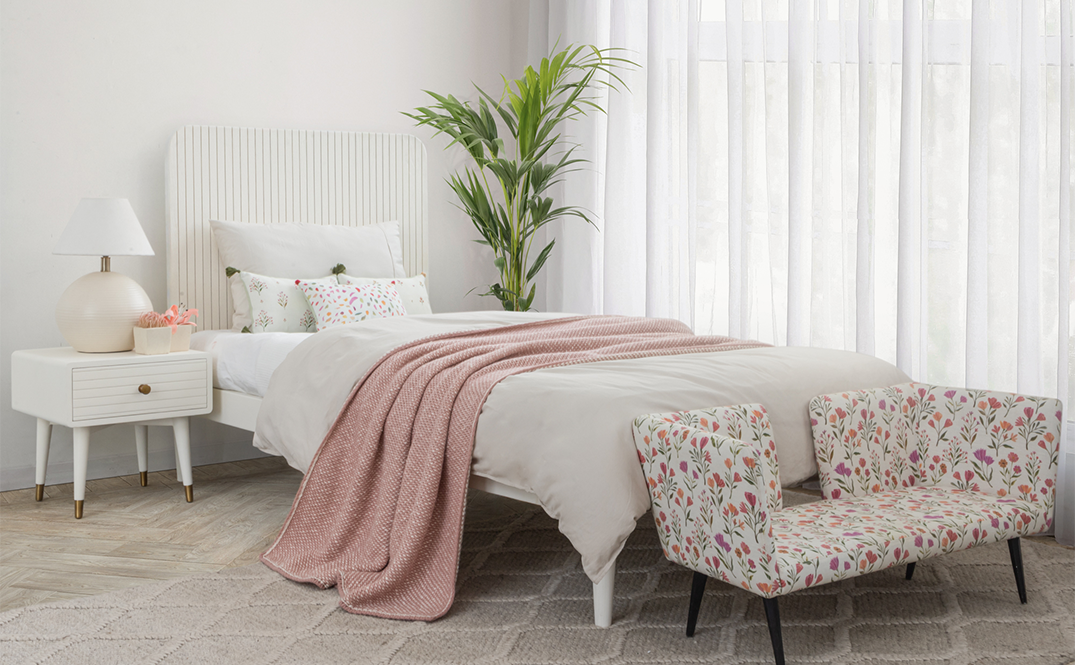
A bed that feels inviting at the end of the day.
A room that feels calm, familiar, and their own.
REDEFINING LUXURY IN CHILDREN’S DESIGN
Luxury, in the context of children’s spaces, is not about ornamentation or excess.
It’s about thoughtfulness.
In how each piece contributes to a sense of ease and comfort.
THE QUIET BALANCE BETWEEN PLAY AND PAUSE
A well-designed children’s room doesn’t separate play from rest—it allows both to coexist. Moments of energy and imagination flow naturally into moments of stillness. A space that supports this rhythm feels neither overstimulating nor sparse.
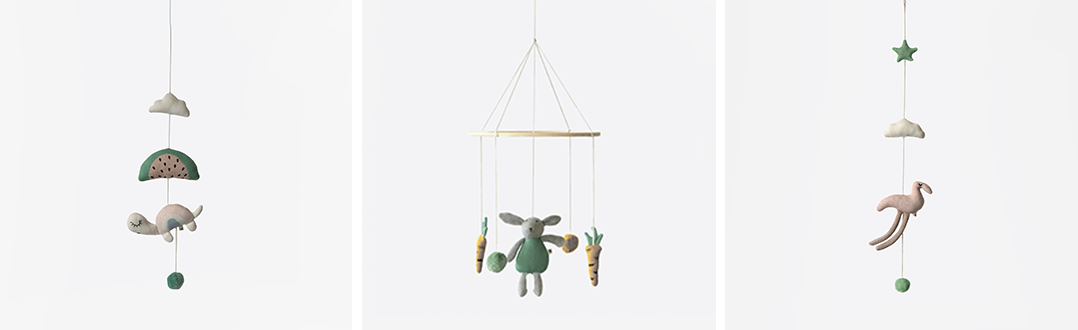
This balance is what makes a room feel complete.
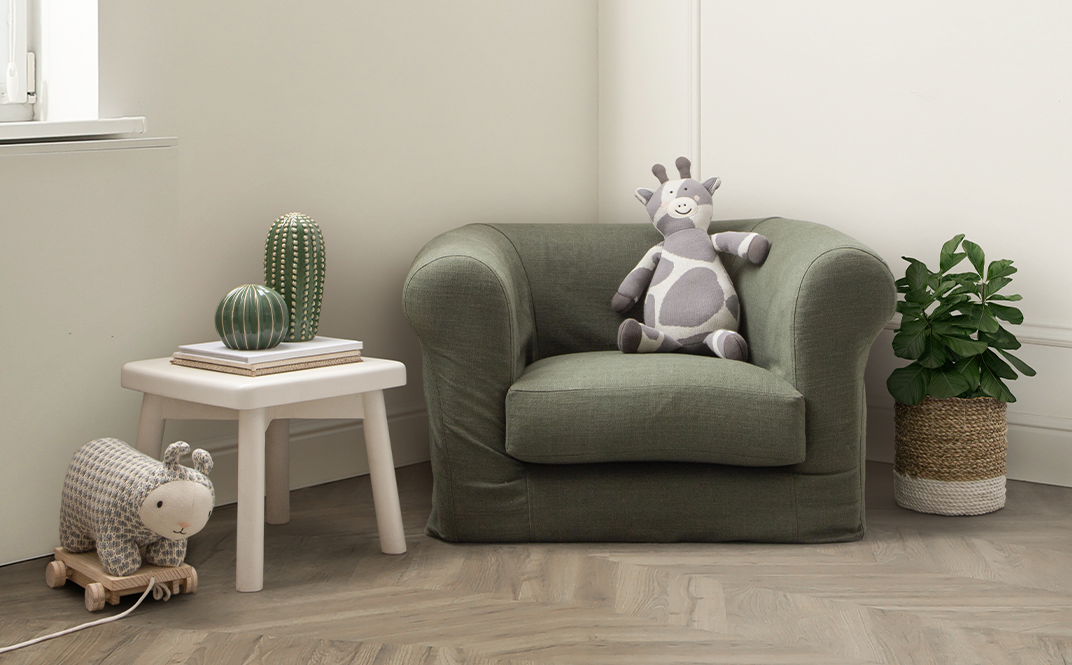
A MORE CONSIDERED WAY FORWARD
Designing for children today asks for a quieter kind of intention—one that values longevity over novelty, and thoughtfulness over excess. It’s about creating spaces that don’t just respond to who a child is now, but gently evolve with who they are becoming.
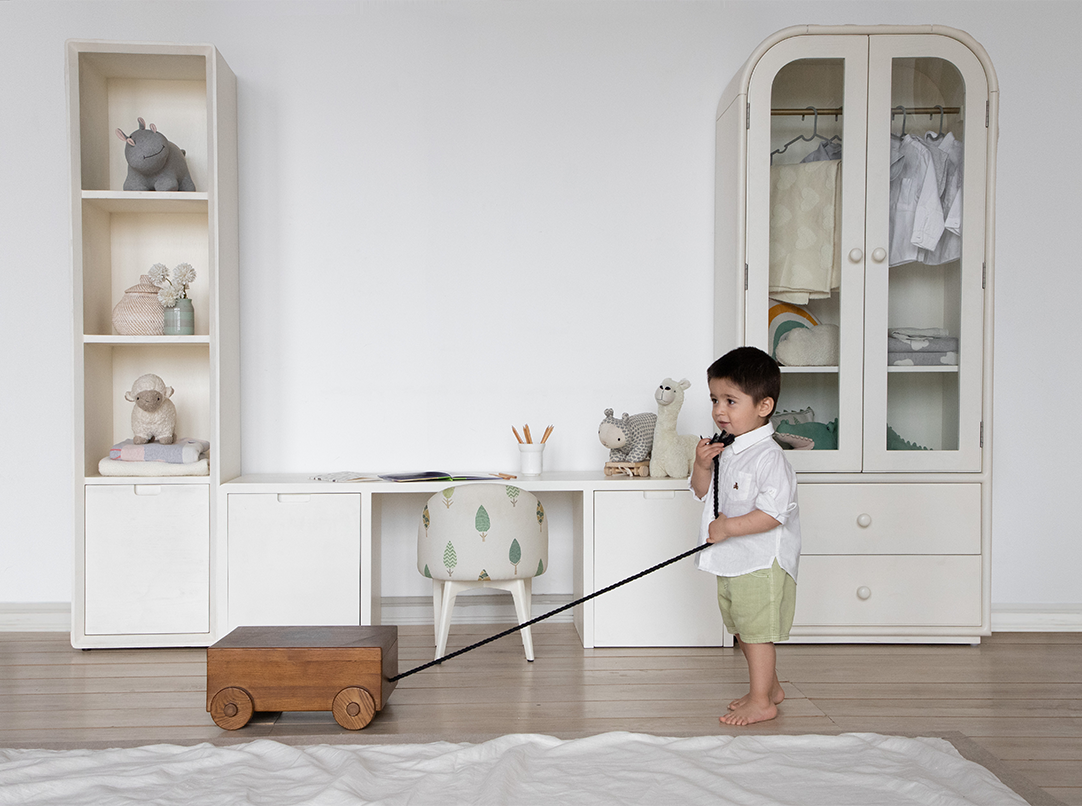
At Gulmohar Lane, this translates into pieces that are adaptable, material-led, and enduring in both form and feeling. A more considered way forward isn’t about doing more; it’s about choosing better. Thoughtfully. Slowly. With care that lasts beyond childhood.

 Categories
-
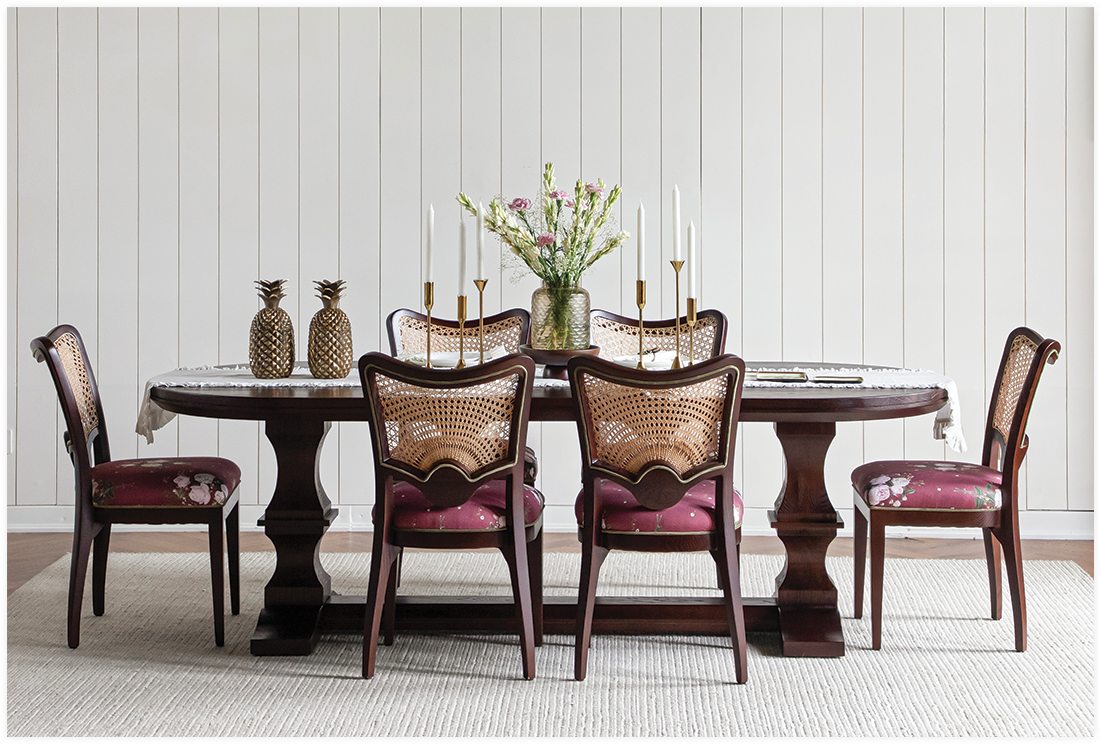
The Gathering Season: A Gulmohar Lane Guide to Festive Gifting
September 19th, 2026 -
 August 14th, 2026
 -
-
GL Gifting Collection: Thoughtful Gifts for the Festive Season
July 24th, 2026 -
Monsoon Stillness — Styling the Home for the Seasons Quiet Hours
July 21st, 2026